
We start in 2004 when the signed Trust Deed brought QTFN to life.
QTFN has been protecting and restoring nature in Queensland for more than 20 years. We are an independent private land conservation organisation delivering on-ground outcomes, enabling strategic projects, and supporting Queenslanders to understand, value and act for nature.
On this page

101,587 ha
protected

>100
of threatened species habitats & ecosystems protected

>301,000
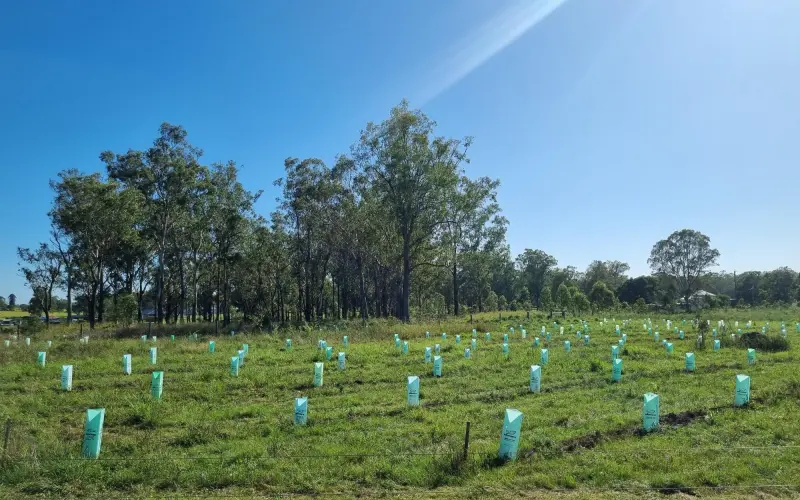
trees planted

>3,200 ha
QTFN nature reserves
Our vision
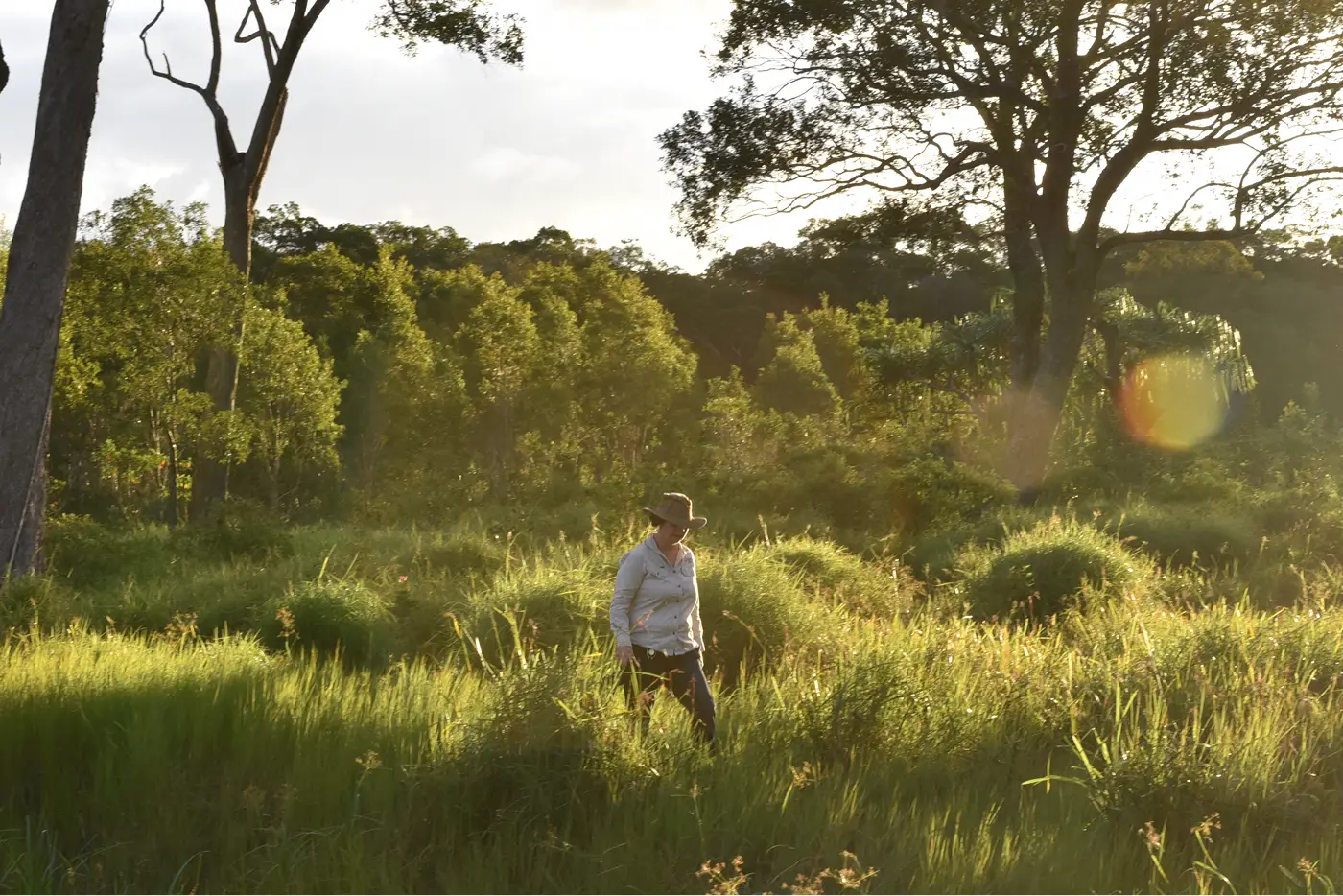
Duis efficitur, sapien quis bibendum auctor, lectus risus feugiat sapien, ac pulvinar orci est a arcu.
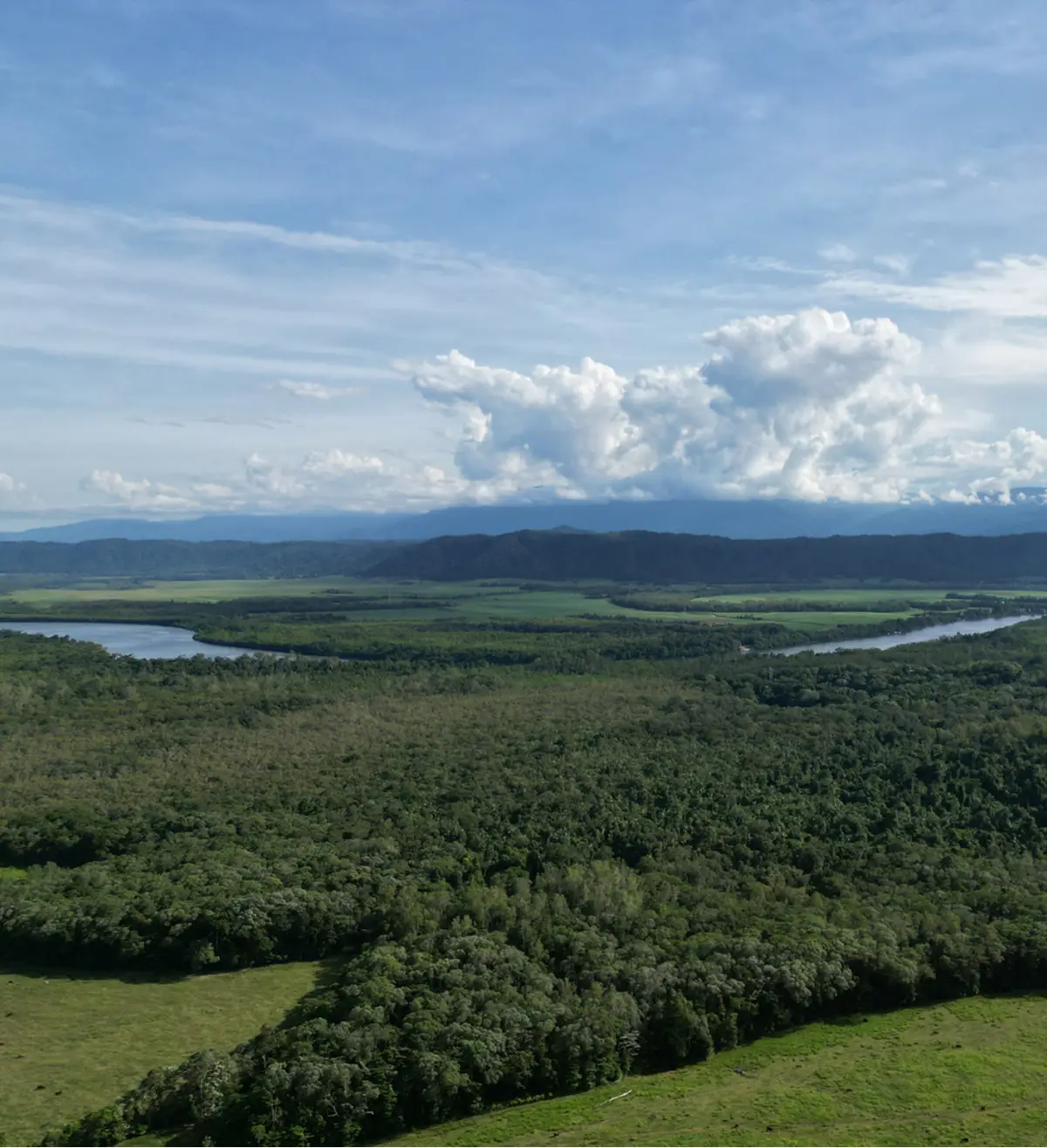
Through our Revolving Property Fund, we acquire properties with high ecological values, protect with a legally binding conservation agreement over part of the land, and on-sell into the public market.
The result: more than 101,587 hectares of habitat protected for over 100 threatened species and ecosystems.
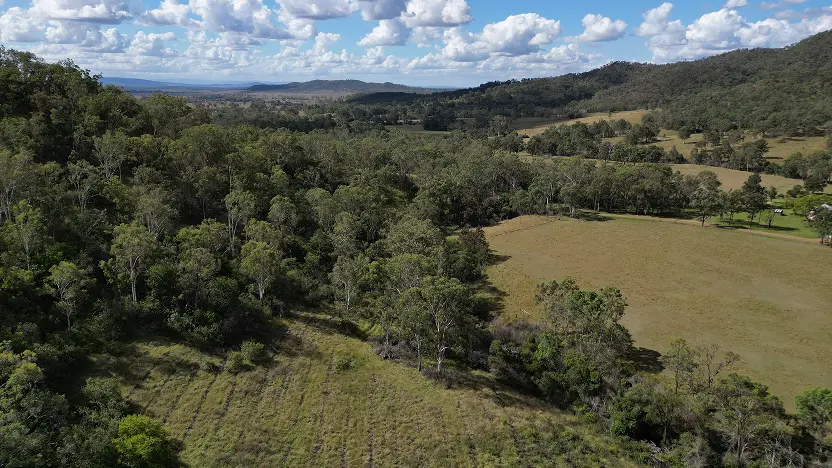
Add a short description.
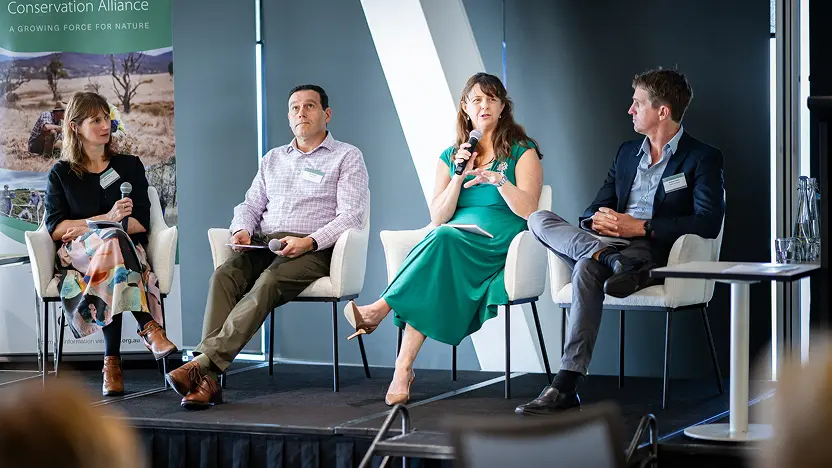
Add a short description.
Over twenty years ago, Queensland Trust for Nature was founded on a simple but bold idea: that nature could—and should—be protected on private land, and that Queenslanders have a vital role to play in shaping the future of our state’s biodiversity.
QTFN was formed by the Beattie government to purchase, protect and on-sell smaller parcels of land with significant environmental values.
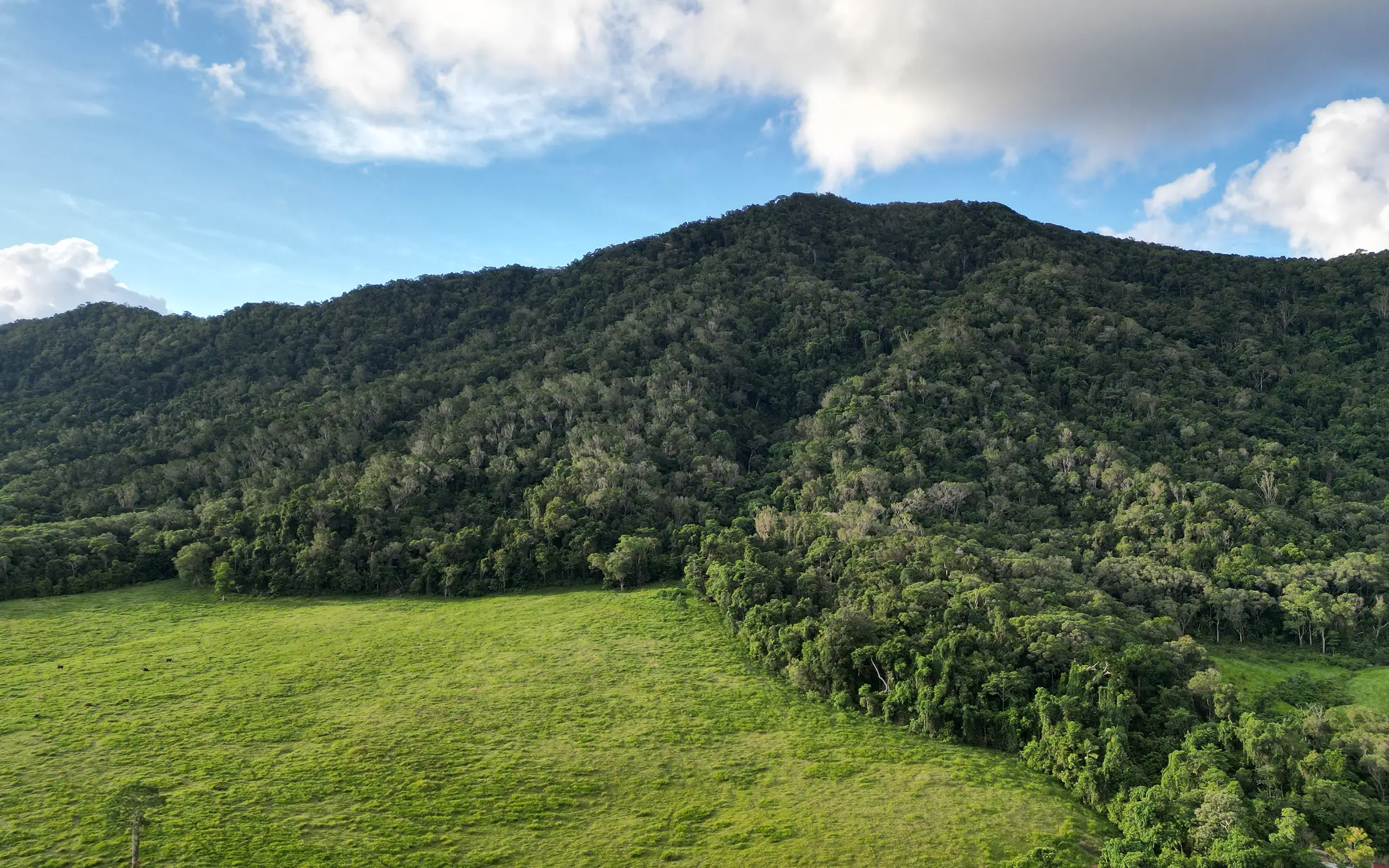
QTFN acquires and gazettes first 63.9-hectare Revolving Fund property in the Atherton Tablelands, revolving it two years later protected as Pember’s Scrub Nature Refuge.
QTFN acquires Avoid Island in the southern Great Barrier Reef, a significant flatback turtle nesting site and migratory bird visit point with unique ecosystems and geological history.
QTFN’s compass is the objectives outlined by our Trust Deed: to protect and enhance the natural environment in Queensland, alongside complementary objectives disseminating information, education, and research.
The natural environment we work to protect includes:
Wildlife and their habitats
Issues affecting the environment such as air and water quality, vegetation and fauna
Waste minimisation outcomes
Resource management issues and biodiversity
Promotion of ecologically sustainable development principles
“We recognise that thriving ecosystems underpin thriving communities, cultures and economies.”
— Dr Liz O’Brien QTFN CEO
“You’ve shown us, importantly, that conservation doesn’t have to be at odds with economic reality. It can and it must go hand in hand with sustainable land use, regional development and importantly, the aspirations of local communities. This kind of leadership matters, especially now as we face into the growing impacts of climate change, of biodiversity loss and changing land use patterns.”
— Anna Bligh, who officially launched QTFN at an event in 2005, offered her thanks at the 20-year celebration in 2025.